Patna | JP News.(By Sachi Shyamali Singh)
Every year, when the full moon of the Hindu month of Ashadha rises in the sky, it not only illuminates the earth but also rekindles memories, reverence, and the timeless tradition that has guided generations. This sacred occasion is Guru Purnima—a festival dedicated to the gurus who enlighten lives through knowledge, compassion, and exemplary conduct. In Sanatan Dharma, the Guru is regarded as even higher than God because it is the Guru who leads a seeker to the realization of the Divine.
This year, Guru Purnima will be celebrated on July 29, 2026. According to Vedic astrology, this year’s observance is marked by a rare and highly auspicious planetary alignment. On this day, disciples worship their gurus and seek their blessings. While the ways of celebrating the festival may have evolved over time, its essence remains unchanged—expressing gratitude, devotion, and respect toward one’s teacher.
The origins of Guru Purnima are deeply rooted in India’s spiritual and scholarly heritage. It is believed that this sacred day marks the birth anniversary of Maharishi Ved Vyasa, the compiler of the Vedas and the author of the Mahabharata. His monumental contributions not only shaped India’s sacred literature but also organized and preserved its vast body of spiritual knowledge. In his honor, Guru Purnima has become a day for disciples to express heartfelt gratitude to their teachers.
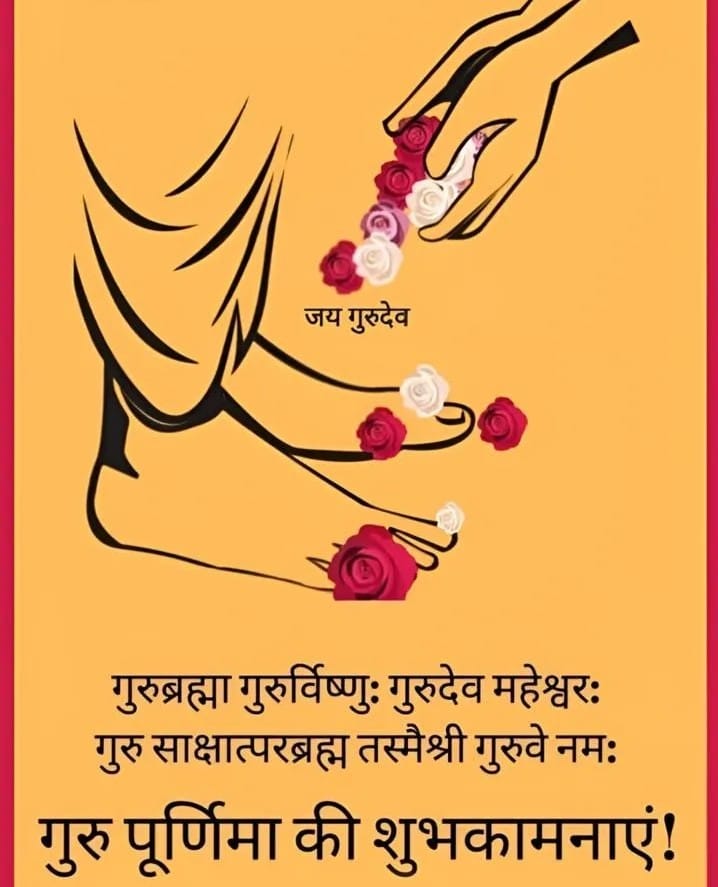
The festival also holds immense significance in the yogic tradition. According to ancient belief, it was on this day that Lord Shiva, revered as the Adi Guru (the First Guru), turned his attention toward the Saptarishis (Seven Sages). After years of their devoted penance and patient waiting, Lord Shiva imparted profound spiritual wisdom to them, giving birth to the revered Guru-Shishya (teacher-disciple) tradition that continues to inspire humanity.
From the sacred heights of Mount Kailash to the forests of Sarnath, where Lord Buddha delivered his first sermon, Guru Purnima has echoed through the centuries as a celebration of learning and enlightenment. Across diverse spiritual traditions and philosophical schools, the day reminds us that learning is a sacred pursuit and that true teaching has the power to transform lives.
In recognition of Maharishi Ved Vyasa’s unparalleled contribution to Indian philosophy and literature, Guru Purnima is also known as Vyasa Purnima. He not only authored great scriptures but also systematized knowledge for future generations. By compiling the Vedas, he preserved the oral traditions of ancient India, while the Mahabharata became an enduring reflection of human values, moral dilemmas, duty, and righteousness.
What Does “Guru” Mean?
The word “Guru” is derived from two Sanskrit syllables—”Gu”, meaning darkness, and “Ru”, meaning the remover. Thus, a Guru is one who dispels the darkness of ignorance and leads an individual toward the light of knowledge, wisdom, and self-realization.