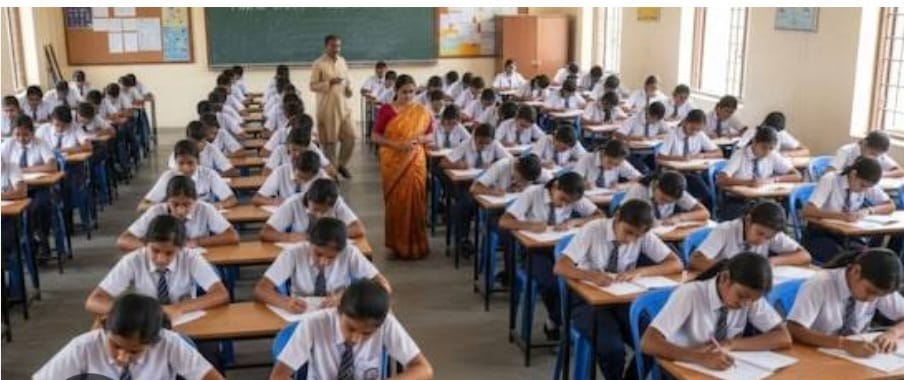
Board Exams Trigger Rising Anxiety Among Students as Pressure Peaks
Patna. JP News ( By Anuradha ). As board examinations draw closer, a wave of anxiety is sweeping through student communities across the country. For many adolescents, board exams are no longer seen as routine academic assessments but as high-stakes “rites of passage” believed to determine future success. This perception is turning a healthy motivation to excel into an overwhelming and, at times, paralyzing stress.
Education experts point out that unrealistic expectations from parents and teachers, combined with a societal narrative that equates marks with self-worth, significantly intensify performance anxiety among students. The pressure often manifests physically in the form of sleep deprivation, irritability, headaches, and loss of appetite. Ironically, these symptoms further impair concentration and memory retention, directly affecting exam performance.
Psychologists emphasize that managing stress is as crucial as academic preparation during this phase. Breaking down the vast syllabus into smaller, achievable “micro-goals” can help students regain a sense of control. A realistic study timetable that includes regular breaks not only prevents burnout but also offers daily feelings of accomplishment.
Adequate sleep—around seven to eight hours a night—is essential for memory consolidation, experts say. Students are also encouraged to move beyond passive reading by using flowcharts, summarizing chapters in their own words, and attempting mock tests to build confidence. Simple deep-breathing exercises can help calm the nervous system during sudden spikes of panic.
Counsellors and educators stress an important reminder for students and parents alike: board exams are a stepping stone, not the ultimate goal of life. By prioritizing mental and physical health alongside academics, students can navigate this demanding period with greater resilience.
“A relaxed mind performs far better than a stressed one,” experts note, urging families and institutions to support students with empathy rather than pressure during this critical time.